
The gap between “pressure-treated” and “composite” is the whole conversation
A 16×20 deck is somewhere between $9,000 and $30,000 depending on four decisions the homeowner has not made yet. If your website says “contact us for a free estimate,” she has to make those decisions on the phone with a stranger. Most people would rather just close the tab.
NapkinPrice™ walks her through the four decisions and puts one honest range on the screen at the end of them. She learns composite costs more before you have to say it. You get a lead who already knows her own budget.
Six variables carry a deck bid
You know these cold. The point is that the homeowner answers them at 10pm instead of on a phone call you never got to take.
Square footage
Length × width, or a preset like 12×16 and 16×20 for people who have not measured. Everything else is a modifier on this base.
Decking material
Pressure-treated pine, western red cedar, or capped composite. The material line alone can swing the bid 2–3×, so it belongs in question two, not in a phone call.
Height above grade
Under 30 inches and you may skip railing entirely. Over that you are into guardrail code, taller posts, more concrete, and in many jurisdictions a permit and an inspection.
Railing type & linear feet
Wood pickets, black aluminum, or cable. Priced per foot and easily a fifth of the job. Ask for perimeter feet, subtract the ledger wall, done.
Stairs & risers
Every set of stairs is stringers, treads, a landing, and often a second handrail run. Count risers, not “a few steps.”
Demo of the existing deck
Tear-out, hauling, and disposal on a rotted 240 sq ft deck is a real day plus a dumpster. Quote it as its own line so nobody feels ambushed.
Also worth adding if you run them: permit handling, footing count for frost depth, under-deck drainage, built-in benches or planters, and a lighting package. Each one is a yes/no with your own price behind it.
The same deck, three materials
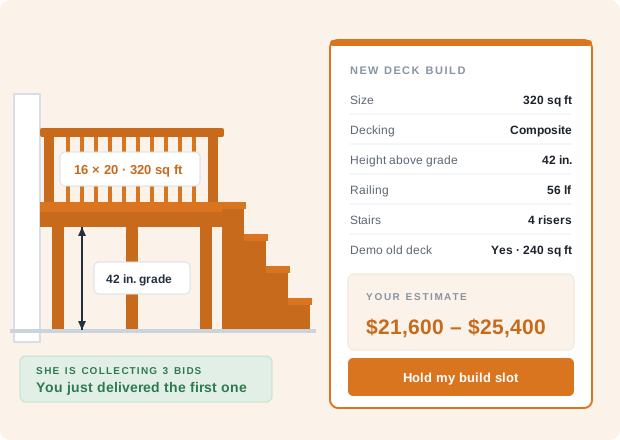
One 16×20 build, 42 inches up, 56 feet of railing, four risers, old deck torn out. Watch what the material choice does.
| Decking | What she sees | Railing | What you say on the call |
|---|---|---|---|
| Pressure-treated pine | $11,400 – $13,200 | Wood picket | Cheapest in, needs a restain every 2–3 years |
| Western red cedar | $15,800 – $18,600 | Wood picket | Looks better, still wood, still gets sealed |
| Capped composite | $21,600 – $25,400 | Black aluminum | Double the ticket, and she never sands it again |
Illustrative figures using an example rate card — not Tailgate Office pricing and not a market survey. You set every rate in the dashboard, and lumber moves, so you change them when your supplier does.
Would you rather try it than read about it? We keep a working example deck builder website with NapkinPrice embedded — the real engine, quoting live, on a page that is not ours.
Try the live demo site (opens in a new tab)
Decks are a three-bid trade. First bid wins more than it should.
Roughly 78% of home-service jobs go to whoever responds first. On a deck that is not because the first guy is cheapest — it is because he is the only one who felt real while the homeowner was still excited about the project.
| What a missed deck lead is worth | Typical figure |
|---|---|
| Typical new deck build | $8,000 – $28,000 |
| Typical repair, reboard or restain | $900 – $4,500 |
| Spring inquiries that never get called back | The ones you take at 4pm on a Friday |
| Voicemail callback rate | ~3% |
| One recovered composite build pays for | 9+ years of the bundle |
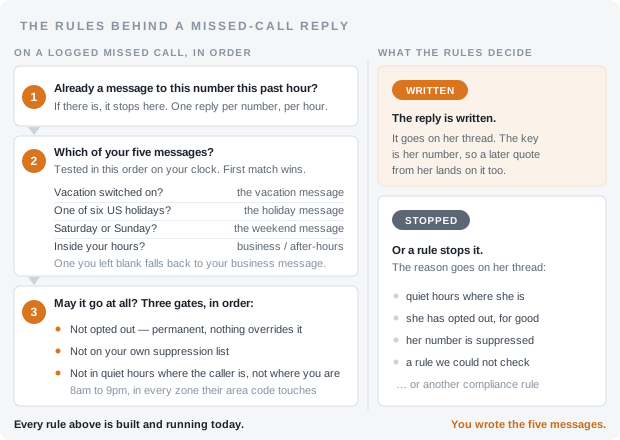
CallMitt™ holds the reply that goes out from your own texting number, a local number in your area code registered to your business: “Sorry we missed you — this is Miller Decks. What are you looking to build?” You write it once, with separate versions for after hours and weekends, and quiet hours and opt-outs are checked before anything is queued. Being straight about it: no SMS gateway is live on our side yet, so today the missed call is logged by hand and the message waits on your carrier registration. When she does reply, it stitches into the same thread as her quote — and that thread is the bid you already won.
The deck builder’s year, honestly
Two months of chaos, six months of work, four months of wondering where everyone went.
March through May is your whole year
The calls that decide your summer arrive in an eight-week window, and they arrive while you are already on a build. That is precisely when your phone goes to voicemail the most.
Long consideration, short patience
Homeowners think about a deck for months, then decide in a week. If you are not reachable during that week you were never really in the running.
Budget mismatch eats your days
Two hours of driving and measuring for someone who wanted composite at pressure-treated money. A quote widget sorts that out before you burn the afternoon.
Winter is booking season
Quotes delivered in January book April. A widget that runs at 11pm in February is the cheapest sales rep you will ever have.
Finding a carpenter who can cut stairs
Deck work is real carpentry. Anybody can screw down boards; laying out a stringer, flashing a ledger, and setting posts plumb is a different hire — and that person already has a job.
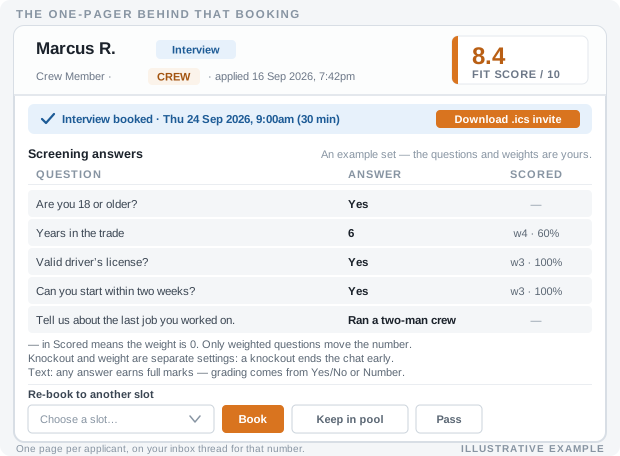
CrewFunnel™ makes applying five questions instead of a résumé. “Text CREW to your texting number” goes on the yard sign at every build you finish, which is where the good carpenters actually see it. Years framing, own tools, can you lay out stairs, truck, start date — knockouts drop the ones who fail a hard requirement, and the rest come back scored.
Where that stands today: we have no inbound SMS yet, so he answers on your screening page rather than by text. Same questions, same knockouts, same scoring, same pool. The keyword on the sign takes over when your carrier registration clears.
See how CrewFunnel works
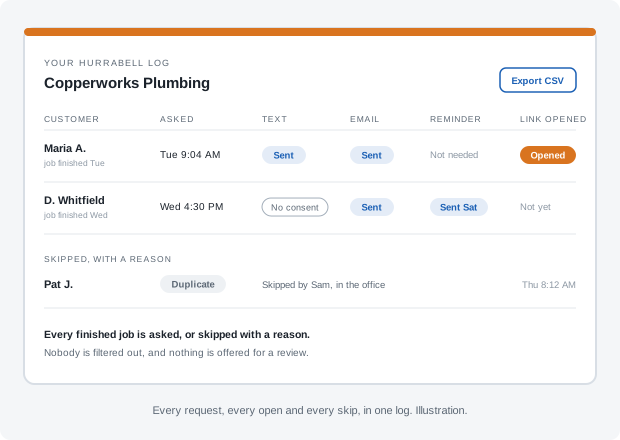
The review gets written the first evening she sits out on it, or not at all
The last board is screwed down, the stair treads are on, and the first warm evening she carries two chairs out and sits on it. That is the evening she would write you a review, while she is still sending pictures of it to her sister and the neighbors are leaning over the fence. A month later it is just the deck. The outfit with sixty reviews is not sixty times better than you; somebody there asks every customer, while the deck is still new.
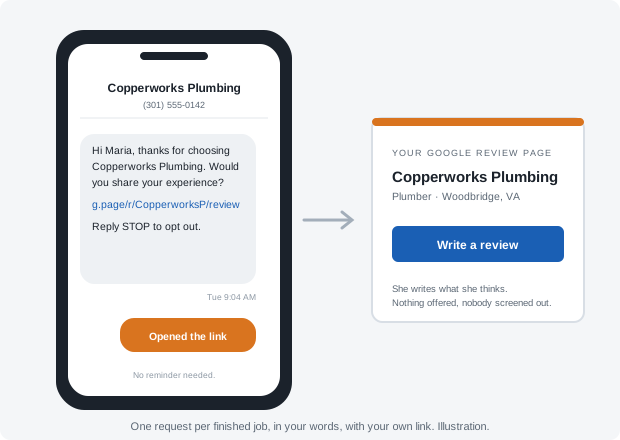
HurraBell™ does the asking. Mark the job done — from the inbox, from your phone, or from your job software through Zapier — and the customer gets one request in your words, with your own Google review link, after a delay you pick: an hour, unless you change it. Three days later, one email reminder, unless the link has been opened or the customer has got back in touch.
Review requests aren’t switched on yet, so none is sent today. When they are, the request goes by email once your Google review link is saved on the HurraBell page and your mailing address on the Account page. A text goes as well where the customer agreed to texts, and only once your carrier registration clears, the same wait as every text on this site; until then it is email only.
See how HurraBell worksCheaper than the lumber for one set of stairs
The Tailgate Office Bundle
Instant quotes on your website, missed-call text-back, text-to-apply hiring, review requests, and customers, jobs, estimates and invoices in one place. 30 days free, no credit card, no setup fee, cancel from the dashboard.
Start Free TrialOnly need one of the tools? After the trial you can keep just that one at its own price; the office stays with the Bundle.
Deck builder questions
No. Your rates live in the dashboard as per-square-foot and per-linear-foot numbers. Change your per-square-foot rate, or the composite percentage, once and every quote from that minute forward uses it. Nobody touches your website.
They only see a range, and only after answering six questions about their own yard and leaving a real phone number. You can also widen the range band, set a minimum job size, or group your ZIP codes into travel zones and mark the ones you do not serve "outside my area" so the widget declines instead of quoting.
Add a permit yes/no with a flat fee, or put a line in your disclaimer saying permit cost is passed through at actual. Ask height above grade regardless — it is a price question in its own right, since it decides guardrail, post length and concrete, and in most jurisdictions it is also what decides the permit.
Then quote the standard 80% and route the rest. Wraparound decks, multi-level builds and anything over a certain square footage can skip the price and go straight to “this one needs a site visit” — you still capture the lead and the spec.
No, and it does not want to. NapkinPrice sits in front of them. Every lead lands in your shared inbox, exports to CSV, and queues an HMAC-signed webhook (live in beta: deliveries wait for the worker, which is being scheduled) — point that at Zapier or Make and it reaches Jobber, Housecall Pro or a sheet. Native push to those by name is on the roadmap, and the integrations page says which is which. QuoteIQ makes you migrate your whole CRM and gates the instant-quote widget behind its $299/mo Elite tier; we do not.
About 30 minutes for the widget script tag, an hour or so to write your questions and load your rate card, five minutes to set your text-back messages and business hours, a minute, once review requests are switched on for your account, to paste your Google review link on the HurraBell page and your mailing address on the Account page. No onboarding call, no setup fee, cancel from the dashboard.
Also build fence or do exterior painting? See all the trade pages or call (301) 268-1943.
Give her the first number, get the build.
Free for 30 days, no credit card, no setup fee, cancel from the dashboard.