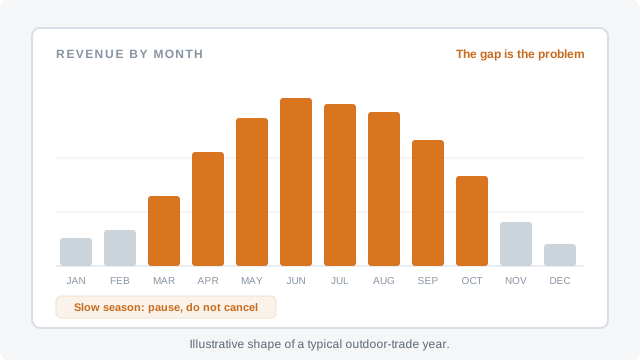
Draw your revenue by month and you get the same picture as every other outdoor trade: a slow start, a mountain from April to September, and a hole from November to February that you fall into every single year and are surprised by every single year.
The November mistake
Cash tightens, so you go through the card statement and cut. The software goes first, because it is the least tangible thing on the list.
The problem is what you cut. In December, the missed-call text-back looks like an obvious luxury — barely anyone is calling. But the calls that do come in December are people planning spring work, and they are worth more per call than anything you will get in July, because in July you were too busy to want them anyway.
Then March arrives, you resubscribe, and you spend two weeks rebuilding pricing rules and re-registering phone numbers while the season starts without you. You saved three months of subscription and gave back the first three weeks of your best quarter.
Pause instead of cancelling
This is why our plans pause. Free for up to four months a year, everything preserved: your pricing rules, your number and message templates, your lead history, your applicant pool. In March you flip one switch and you are live that afternoon instead of that month.
Whatever tools you use, ask the vendor for this before you cancel. Plenty of them have it and simply do not advertise it, because cancelling and re-onboarding you at full setup price is more profitable for them than keeping you at a discount. ResponsiBid, for instance, publishes a seasonal pause around $50/mo — which tells you the whole industry knows this problem exists.
Five things worth doing in the hole
1. Fix your pricing. You spent nine months discovering which jobs made money and which ones you took because you were tired. Write it down while it is fresh. Raise the rate on the job type you hate. February is the only month you have the calm to do this.
2. Call last year’s estimates that never closed. Not a marketing blast — an actual call to people who asked you for a price and went quiet. A meaningful share of them never hired anybody. They just got busy and forgot. That call is free and it is the highest-yield hour in your winter.
3. Line up the crew now. Everyone hires in March, so in March you are competing with every other company in the county for the same people. Hiring in January is quiet, cheap, and you get first pick. If you have a text-to-apply keyword running, leave it running — it costs almost nothing and it builds a pool you will be desperate for in ten weeks.
4. Get the website ready to sell without you. Whatever you want on your site for spring, build it in the hole. Nobody has ever successfully improved their website in June.
5. Do the boring finance hour. Know your actual gross margin by job type. Most contractors know revenue and know their bank balance and have never once calculated the number in between. It usually changes what you bid on.
Build a real winter float
The oldest advice in the trades and still the best: take a fixed percentage off the top of every job in the good months and move it to a separate account you do not have a card for. Ten percent of a $6,000 job is $600 and you will not feel it in July. Ten percent across a whole season is your February payroll.
The alternative is what most people do, which is finance February on a credit card at 24% and call it seasonality.
The point
The winter hole is not a surprise. It is on the calendar. Treat it like a scheduled event you plan for, keep the systems that catch spring planners running through it, and start March with pricing set, crew hired and the phones already answering.